Back to Articles
Mental Health
Understanding Anxiety: Causes, Symptoms, and Coping Strategies
By Dr. Sarah Mitchell
Clinical Psychologist•November 20, 20248 min read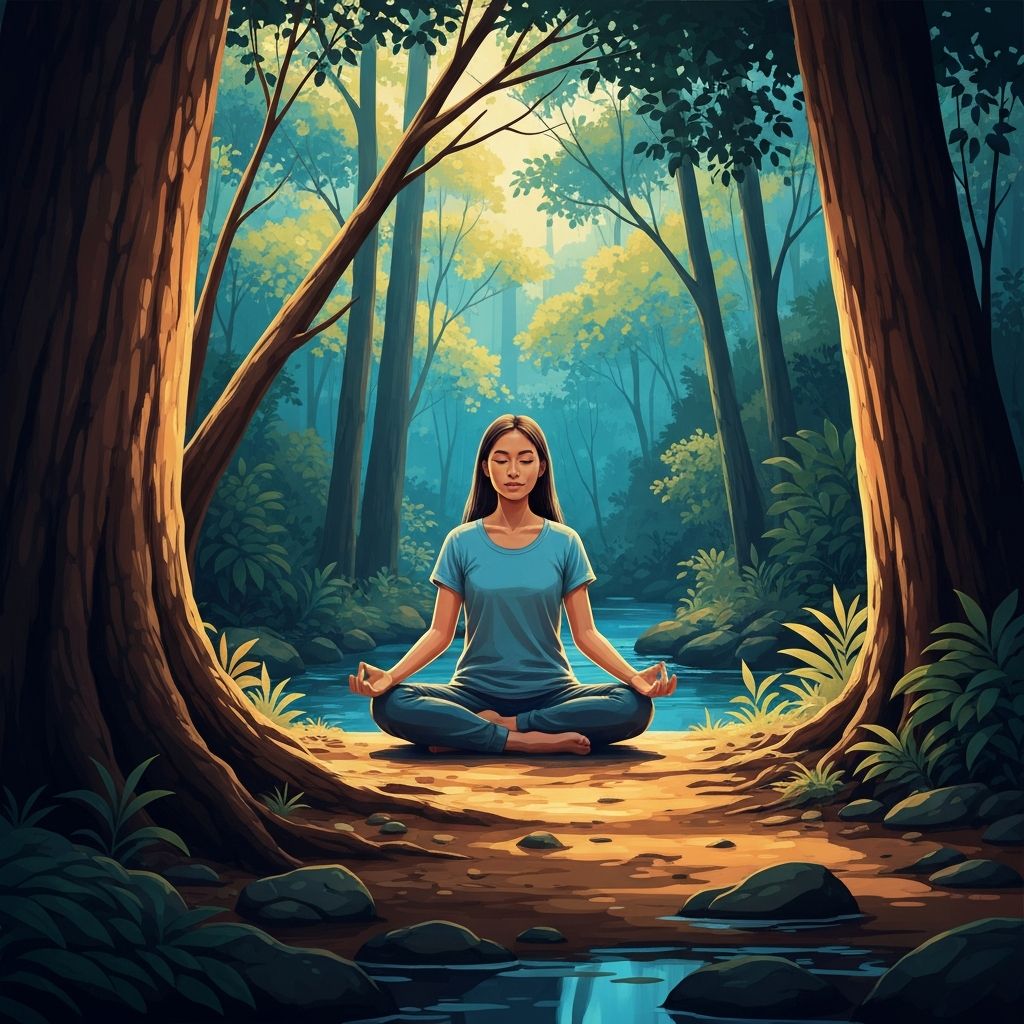
Anxiety is a natural response to stress, but when it becomes persistent and overwhelming, it can impact your quality of life.
What is Anxiety? Anxiety is your body's natural response to perceived threats or stress. It involves physical, emotional, and cognitive symptoms that prepare your body for action.
Common Symptoms - Racing heart or chest tightness - Difficulty concentrating - Sleep disturbances - Muscle tension - Excessive worry
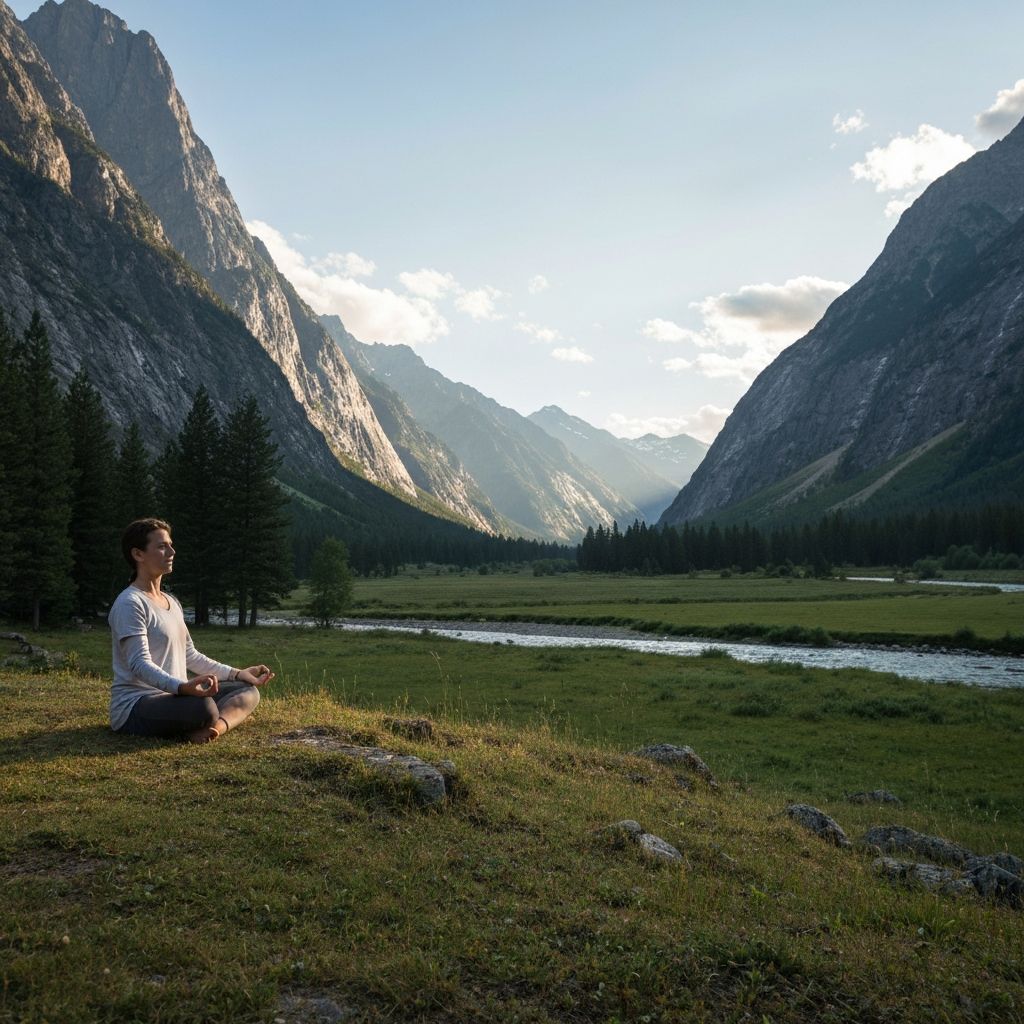
Evidence-Based Coping Strategies 1. **Deep Breathing**: Practice diaphragmatic breathing to activate your parasympathetic nervous system 2. **Progressive Muscle Relaxation**: Systematically relax muscle groups 3. **Cognitive Reframing**: Challenge anxious thoughts with evidence-based thinking 4. **Regular Exercise**: Physical activity reduces anxiety significantly 5. **Mindfulness Meditation**: Regular practice can decrease anxiety over time
When to Seek Professional Help Consider reaching out to a mental health professional if anxiety: - Interferes with daily functioning - Persists for more than 2 weeks - Causes significant distress - Doesn't respond to self-help strategies
Share this article:
About the Author
Dr. Sarah Mitchell
Clinical Psychologist
Expert in mental health and wellness with years of experience helping individuals achieve their wellbeing goals.
Stay Updated
Get wellness tips and articles delivered to your inbox.